Tarot Suits: The Cups Cards
Feel it all, love out loud, and swim deeper with the suit of Cups
When a Cups card shows up in your reading, it’s not whispering. It’s singing. It’s sobbing. It’s laughing until it cries. That’s because the suit of Cups is the emotional heart of the Tarot -- the realm of intuition, vulnerability, relationships, and soul-deep truths.
This suit is ruled by Water, and just like water, the Cups take on all the forms. Misty memories, tidal waves of longing, soft rains of joy, whirlpools of nostalgia, and moments of still, sacred connection. The Cups don’t just ask, “How do you feel?” in a casual way -- they want the real story. And then they want to hold space for it.
So whether you’re in a love fog, facing an emotional reckoning, or just trying to sort through your own internal sea of feels, the Cups are here to help you swim, not sink.
Let’s take the plunge …
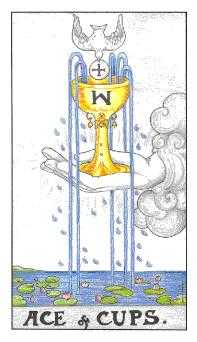
Ace of Cups
Open heart. Open hands. Overflow incoming.
This is the beginning of something beautiful. A new feeling, a fresh emotional start, or just the courage to say, “I’m ready.” When the Ace of Cups spills into your reading, love is in the air (romantic or otherwise, for another person or for yourself). Don’t brace. Don’t block. Just let it flow.
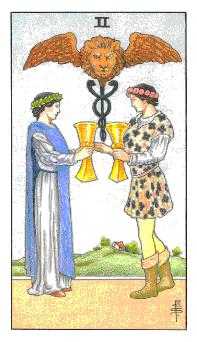
Two of Cups
Connection. Chemistry. Seeing and being seen.
This is a soul bond in progress -- romantic, platonic, or somewhere delightfully in between. This card isn’t necessarily about finding “the one.” It’s about letting someone in and honoring what you see in them, top to bottom. When this card appears, turn toward your closest connection and ask, “How can I show up for this love fully?”
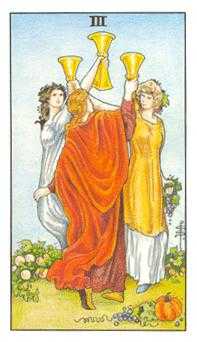
Three of Cups
Raise a glass to the real ones!
This card is friendship, found family, and all the people who dance with you through both the tears and the triumphs. When the Three of Cups shows up, it’s your cue to connect, catch up, and celebrate the people who just get you.
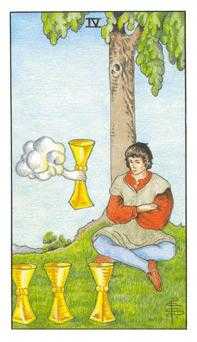
Four of Cups
Ugh ... is this all there is?
Stuck? Bored? Not vibing with anything? The Four of Cups is your emotional timeout. You’re craving something more -- and you’re not wrong to want it. Just make sure you’re not so wrapped in “meh” that you miss the good stuff that’s right in front of your face.

Five of Cups
A breakup. A letdown. A goodbye.
The grief is real -- and it deserves your full attention. But when the Five of Cups spills across your reading, it’s not here to drown you. It’s here to help you let go of what’s already gone so you can notice what’s still standing.
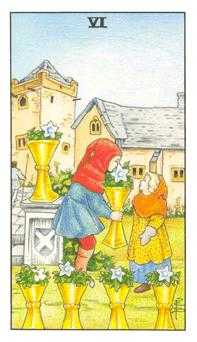
Six of Cups
Sweet nostalgia. Bittersweet clarity.
This card brings back the past -- sometimes with joy, sometimes with a lump in your throat. But it also reminds you: childlike wonder isn’t lost forever. You can still choose joy, still trust again, still make room for magic. Even now.
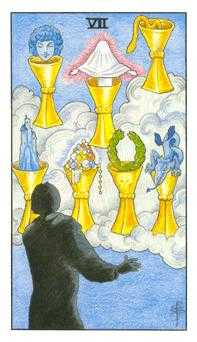
Seven of Cups
Dreamy? Or delusional?
Your imagination is lit right now -- and so is your indecision. The Seven of Cups invites you to vision big and check yourself. What’s real? What’s projection? What’s fear in disguise? Fantasy is fabulous, but clarity is magic.
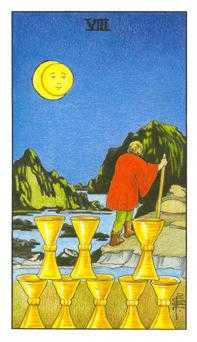
Eight of Cups
You gave it everything. Now walk away.
This card is your emotional exit. You’ve tried. You’ve hoped. You’ve stayed too long. And now it’s time to leave, not because you failed, but because you’re finally listening to your own needs. The Eight of Cups says, “It’s hard, I know. And it’s worth it.”
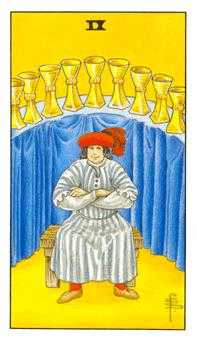
Nine of Cups
Wish granted. Desire fulfilled. Joy on tap.
This is the “hell yes!” card. The moment where things fall into place and it’s safe to say, “I’m happy.” When the Nine of Cups pops up, lean into the good, savor your wins, and know you earned this satisfaction.
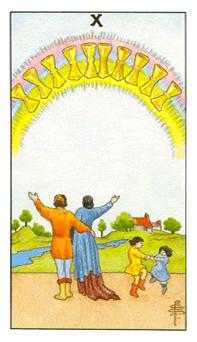
Ten of Cups
This is what home feels like.
Love. Belonging. Fulfillment. Whether it’s blood family, chosen family, or a moment of deep internal peace, the Ten of Cups brings big-time emotional security. Enjoy the bliss. Share the joy. Let it remind you that this kind of happiness really does exist.
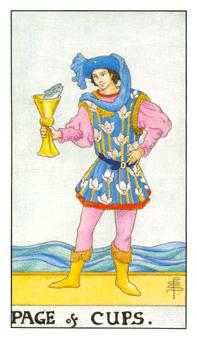
Page of Cups
Tender feels and curious hearts.
The Page of Cups is your inner romantic -- idealistic, creative, a little awkward, a lot open. This card shows up when it’s time to say yes to vulnerability. Try something. Love something. You might just surprise yourself.
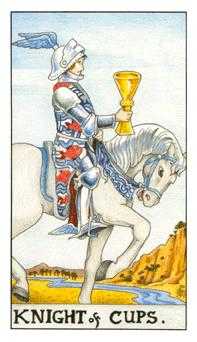
Knight of Cups
Dreamy. Driven. Wearing feelings on his sleeve.
This Knight is a lover, a poet, and a seeker of emotional truths. He’s here to remind you that passion needs motion. Don’t just dream -- pursue. Don’t just want -- act. Take the feeling and do something beautiful with it.
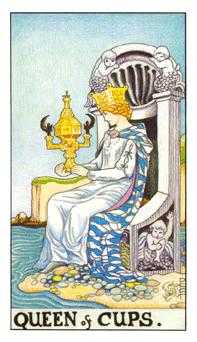
Queen of Cups
Intuitive. Compassionate. Psychic AF.
She feels it all and holds space like a pro. The Queen of Cups asks you to trust your inner knowing and lead with love. She doesn’t fix or chase -- that’s not her style. She just understands. When she shows up, be soft but strong. Let your empathy lead.

King of Cups
Deep waters. Steady heart. Master of emotional maturity.
This King doesn’t flinch. He feels deeply, but he’s anchored. He’s a calm center in emotional chaos, and when he appears, you’re being called to rise into that same poise. Honor your heart, but stay grounded in wisdom and integrity.
Final Sip
The Cups ask, “How does it feel?”
That’s a very different question from “What should you do?” or “Who should you be?” Stick with what’s true in your heart right now. Whether you're riding high or healing low, these cards will always meet you where you are -- and help you sail forward.
Do the Cups cards have a message for you? Find out now with our most popular Tarot reading.