The “Worst” Tarot Cards: Shadows, Fears, and Hidden Gifts
Facing the “scariest” Tarot cards doesn’t have to be terrifying
Tarot has a reputation for being both inspiring and unnerving. Ask almost anyone which cards they’re afraid of pulling, and you’ll hear the same titles again and again: Death, The Tower, The Devil. It’s true -- some cards can land in a spread with a thud, making your stomach flip.
Are there any truly “bad” Tarot cards?
Two things are important to hold at once:
1. There are no bad cards in Tarot. Every archetype has wisdom, and every shadow carries insight. The cards never (and we truly mean never!) show up as omens of doom or tragedy.
2. Our gut reactions matter. If a card makes you flinch, that’s information worth honoring. The fear, grief, or resistance these cards stir up is part of their medicine.
What follows is a tour through the 20 “worst” cards in the deck -- the most dreaded, the most uncomfortable, the most misunderstood. For each, we’ll look at why it unnerves people and how you might reframe it as a powerful ally on your journey.
(And a quick note: this is not a ranking of best to worst! We’ve listed the cards in the order in which they appear in a traditional Tarot deck.)
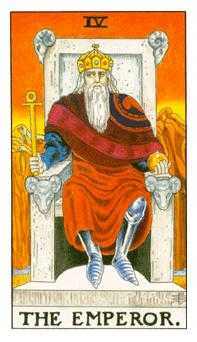
The Emperor
Many people bristle at The Emperor because he represents authority, rules, and control -- all the things Tarot readers often come to the cards to escape. His stone throne, armored stance, and rigid energy can feel suffocating. Historically, The Emperor reflects the archetype of kingship, law, and societal order. It’s an image that has often meant oppression, patriarchy, or hierarchy.
Yet The Emperor also reminds us of the beauty of structure. Without foundations, creativity collapses. Without boundaries, passion burns out. His energy asks us to claim authority in our own lives and to create systems that sustain us instead of box us in. This card is less “tyrant on a throne” and more “architect of your future” when you work with it consciously, especially over a longer period of time.
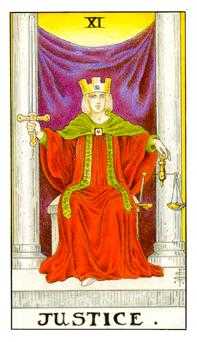
Justice
Justice can feel intimidating because she arrives with her sword raised, demanding accountability. People often fear she represents punishment, karma catching up, or the cold hand of judgment. In medieval Tarot decks, this card sometimes replaced Strength as the archetype of moral reckoning.
But Justice isn’t about punishment -- it’s about honoring reality as it is. This card calls you to align your actions with your values and cut through self-deception. It's meant to center radical clarity over the fear of retribution. Justice says, “You are powerful when you are honest with yourself.”
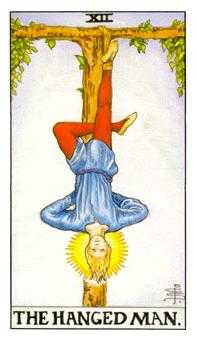
The Hanged Man
Few cards feel as unsettling as one that shows a person hanging upside down, seemingly helpless. The Hanged Man suggests sacrifice, surrender, or being forced to wait -- three things most of us resist. Its imagery is tied to a medieval punishment that was reserved for traitors, which only amplifies the dread.
Here’s your reframe: The Hanged Man is perspective, not punishment. This card invites us to pause and look at life differently. Sometimes the only way forward is through stillness and inversion. The surrender here doesn't signify defeat. You're stepping back to give yourself the space to transform and recognize the complexity in yourself and others.
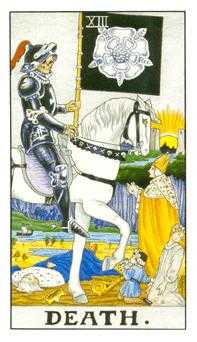
Death
Death is the most infamous card in Tarot, often feared as an omen of literal mortality. In early Tarot decks, it was simply “La Mort,” a skeleton with a scythe, stark and unavoidable. Understandably, this image has terrified querents for centuries and caused them to wonder if they were in for an early demise. Yikes!
With a little distance, though, we see Death as the great liberator. Rarely does it point to physical death. Instead, it signals endings, transitions, and deep renewal. Something must conclude so that something else can be born. When Death arrives, you’re being asked to shed old skin, compost the past, and trust that transformation is inevitable and nurturing.
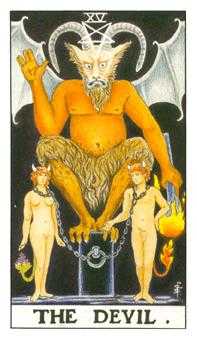
The Devil
Chains, fire, and horned figures make The Devil one of the most uncomfortable cards to pull. Historically, the Devil imagery grew out of Christian morality tales, symbolizing sin, temptation, and bondage. Today, people still assume it means “evil” or some outside force controlling their life.
In truth, The Devil points to the illusions we cling to and the subtle ways we hand over our freedom, whether to toxic habits, unhealthy relationships, or limiting beliefs. The Devil can be a mirror of where you’ve agreed to stay small. Breaking the chains isn’t just possible; it’s the whole point.
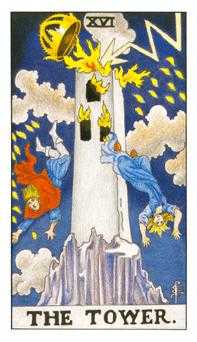
The Tower
If any card makes readers nervous, it’s The Tower. Lightning strikes? People tumbling from high places? Chaos unleashed? Talk about overwhelming. The card reflects sudden upheaval, the crumbling of false security. Who wouldn’t recoil?
Yet The Tower is the card that clears what could never stand. The collapse it signals is rarely gentle, but it’s always clarifying. When The Tower falls, truth is revealed. You may lose comfort, but you gain reality, and reality is the only place real growth can take root.
And here’s a little something else to consider: The Tower (like any card) can sometimes point to previous chapters of your life, not to something tough that’s happening now or waiting around the corner. Old experiences echo with new lessons and realizations.
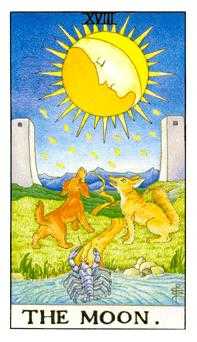
The Moon
The Moon tends to be a polarizing card. For some, the imagery is peaceful, but it can unsettle other querents with its association to confusion, illusion, and things hidden in shadow. Dogs howl, a crayfish crawls from the water -- it’s eerie, dreamlike, uncanny. People fear it because it suggests we can’t trust what we see.
But The Moon is also the card of intuition and imagination. It reminds us that life is not only rational; the subconscious plays a vital role. This card says, “Trust your instincts even when the path isn’t clear. The mystery itself is part of the lesson.”
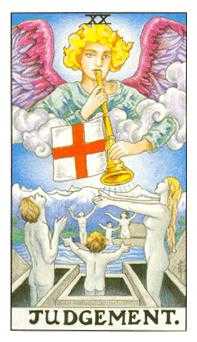
Judgement
Many versions of the Judgement card feature angelic trumpets and rising souls. It can feel final, even apocalyptic. Historically tied to Christian imagery of resurrection and judgment day, it often spooks people who fear it means “the end” of something permanent or being condemned for their sins.
But Judgement is about awakening. It’s the card of callings, second chances, and rising into a bigger version of yourself. When it appears, it says: “You are ready to answer your higher calling. You are ready to leave the old life behind.” That’s not condemnation -- that’s liberation.
Do any of these infamous cards have a message for you? Find out now with a FREE Tarot reading! Find out now with a Breakthrough Tarot Reading!
Five of Wands
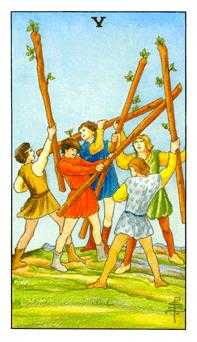
The Five of Wands, as the first Minor Arcana card to make an appearance, shows chaos. Figures clashing with sticks, arguments everywhere. People dread it because it looks like conflict, competition, and discord. And let’s be real -- it is.
Still, the conflict here isn’t meant to destroy. It’s practice. These are sparring matches, not mortal combat. The Five of Wands can mean lively debate, testing your skills, or learning how to handle differences without fear. Disagreement is uncomfortable, yes, but it can also be productive.
Nine of Wands
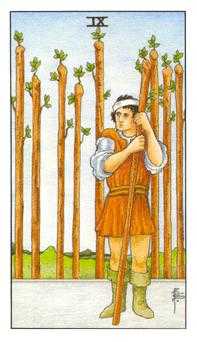
Exhaustion and vigilance make the Nine of Wands feel heavy. The wounded figure leaning on a staff suggests you’re battered, defensive, almost expecting another blow. Many fear it means burnout without reprieve.
But this card also honors resilience. You’re still standing, even after everything! The Nine of Wands says, “Yes, you’ve been tested -- but your strength is undeniable.” Sometimes it’s okay to acknowledge post-fight fatigue and take pride in your endurance.
Ten of Wands
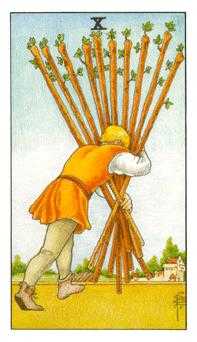
The person on the Ten of Wands tends to look fairly miserable. A figure is crushed under the weight of ten staffs, burdened beyond reason. People dislike it because it points to overwhelm, stress, and carrying too much.
Yet it’s also a reminder that burdens have endpoints. Tens are completion cards -- the journey of the Wands cycle is reaching its finale. This card says you can put some of those wands down. Ask for help. Share the load. The end is near, and relief is possible.
Five of Cups
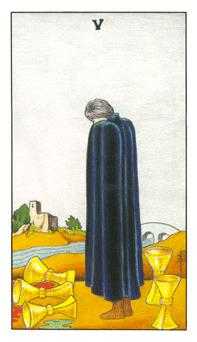
The Five of Cups continues the trend of challenging Fives, first seen in the Five of Wands. Grief is the dominant image here, often shown in the form of a cloaked figure who’s mourning over spilled cups. People dread this card because it mirrors heartbreak, loss, and regret.
But notice, if you will, the two cups that remain upright behind the figure. The Five of Cups teaches us that even in sorrow, not all is lost. It gives permission to grieve and encouragement to eventually turn toward what still stands. Loss isn’t the end of the story.
Eight of Cups
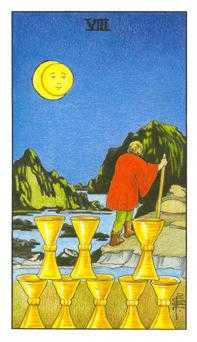
The Eight of Cups often unnerves people because it suggests leaving something behind -- walking away, even from things you once loved. An unknown figure departs under the moon, seemingly full of loneliness and uncertainty.
Take heart in knowing that this card is about courage. It says, “Your soul knows when it’s time to move on.” Walking away isn’t failure; it’s faith. The Eight of Cups calls you to honor the quiet truths that fulfillment lies elsewhere, and you’re brave enough to seek it.
Three of Swords
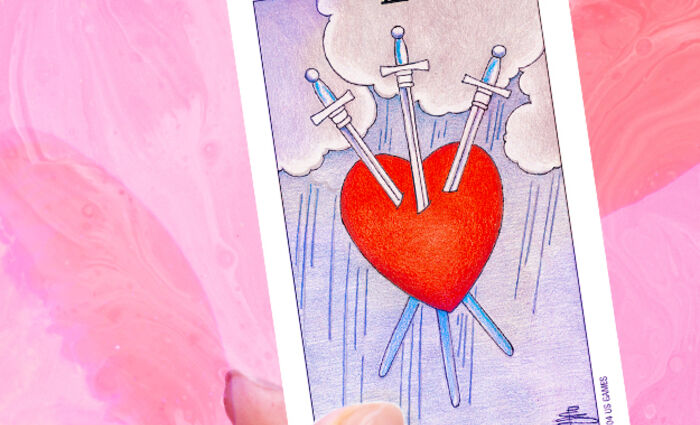
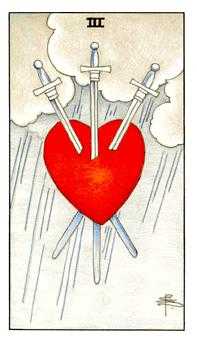
Few images sting like the Three of Swords. A heart pierced by three blades screams heartbreak, betrayal, and emotional pain. Most readers admit it’s one of the hardest cards to see.
Yet pain acknowledged is pain that can heal. The Three of Swords doesn’t create heartbreak -- it names it. By naming it, you’re freed to move through grief instead of avoiding it. This card is brutal honesty, and sometimes honesty is the only way the heart can mend.
Five of Swords
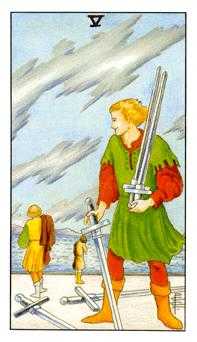
Whaddaya know?! Another effed-up Five! The Five of Swords is uncomfortable because it depicts hollow victory -- one figure grinning as others walk away defeated. It reeks of manipulation, betrayal, or winning at someone else’s expense.
But this card doesn’t endorse cruelty; it warns against it. It asks, “What’s the cost of this win? Is it worth it?” Sometimes the best lesson comes from realizing that being “right” or “on top” isn’t the same as being fulfilled.
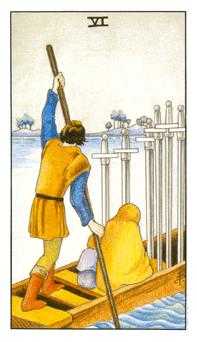
Six of Swords
This card shows a somber journey -- figures in a boat, leaving behind rough waters. People fear it because it implies loss, exile, or transition you didn’t choose.
But the Six of Swords is also a promise of healing. You may be leaving familiar shores, but you’re heading toward calmer ones. It’s a card of recovery, reminding you that distance can bring peace.
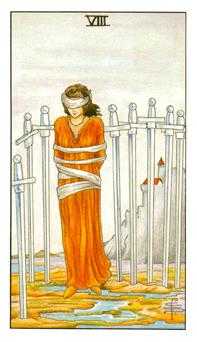
Eight of Swords
The Eight of Swords depicts a blindfolded, bound figure surrounded by blades -- trapped and powerless. No wonder people dread it! It looks like imprisonment!
The secret? The bonds are loose, the swords don’t form a cage, and the blindfold can be removed. This card speaks of mental traps (fears, doubts, limiting stories) rather than actual cages. Freedom is closer than it seems.
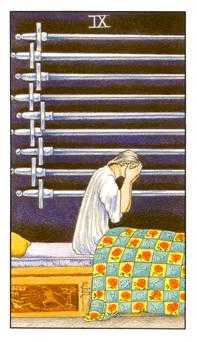
Nine of Swords
Night terrors, worry, insomnia -- this is Nine of Swords territory. The card shows a figure waking from nightmares, hands covering their face. People hate this card because it embodies anxiety itself.
But the Nine of Swords is a reminder that our worst fears often live in our minds, not in reality. The monsters of the psyche can be terrifying, but naming them is the first step to shrinking them. This card is a chance to explore a story that keeps you up at night -- and ask if it’s really true.
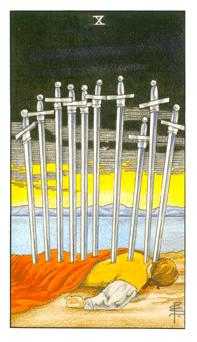
Ten of Swords
Few cards look more brutal than the Ten of Swords. A figure lies face down in the dirt with ten blades in their back. It evokes betrayal, endings, and devastation. People dread it as the ultimate “rock bottom.”
The thing about rock bottom is that it's just that -- the bottom. The worst has already happened. The Ten of Swords signals the end of suffering, the close of a painful chapter. The dawn is already rising in the background. From here, things can only get better.
Five of Pentacles
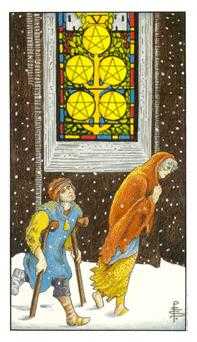
Completing the series of difficult Five cards, the Five of Pentacles shows poverty, exclusion, or abandonment through figures trudging in the snow outside a warm, lit church. It’s painful because it represents being left out in the cold, literally or metaphorically.
But the Five of Pentacles also highlights resilience and solidarity. Notice the figures are together; they’re not alone. It reminds us that help exists, though we may need to ask or look in new places. This card honors hardship while urging us to find the support that’s closer than we think.
Do any of these infamous cards have a message for you? Find out now with a FREE Tarot reading! Find out now with a Breakthrough Tarot Reading!
Final Thoughts
The “worst” cards in Tarot are frightening because they shine light on the parts of life we’d rather avoid. Endings, grief, conflict, fear, destruction -- they all have their moments here. Yet these are the same places where growth happens. Each of these cards, in its own way, says, “This is hard. But you are strong enough to face it.” They could even be referencing demons you've already defeated, and you should take pride in those victories.
The next time one of these so-called dreaded cards lands in your spread, take a breath. Instead of recoiling, ask what truth this card is revealing. What possibility is waiting in its shadow?