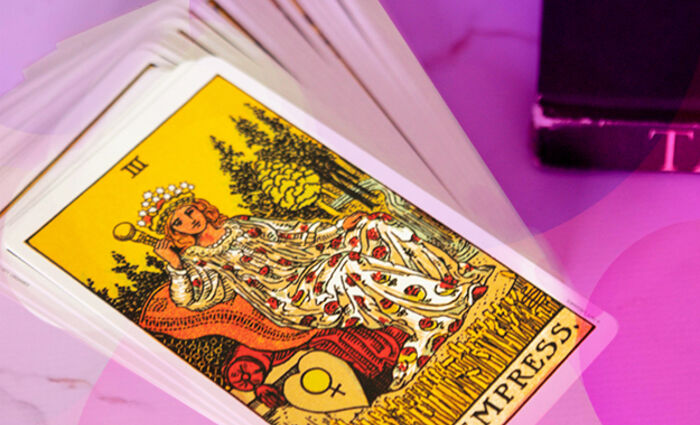
The “Best” Tarot Cards: Joy, Fortune, and Secret Challenges
The cards we love to see, in all their complexity
When people sit down for a Tarot reading, they often hope to receive certain cards. Sure would be nice to see The Sun today. Ooo, or maybe the Ten of Cups! I wouldn’t say no to that!
It’s only human. We want the cards most associated with blessings, happiness, and fulfillment. They feel like cosmic high-fives, and it’s no wonder they’re beloved.
But here’s the paradox: if some cards are “good,” it implies that others must be “bad.” That’s not really how Tarot works. Every card carries sweetness and bitterness, hope and challenge. Even the so-called “worst” cards hold medicine, and even the “best” cards come with surprising limitations.
Two truths stand out:
1. There are no bad cards in the Tarot (and, on a related note, none that are extra-special or superior to the rest). Each archetype offers both wisdom and difficulty.
2. Our feelings about the cards matter. If your heart soars when a certain card appears, that’s worth honoring. Tarot works through both symbolism and emotional resonance.
With that in mind, let’s explore the cards that feel like instant wins, the ones people love to see (and the hidden complexities that come with them).
(And a quick note: this is not a ranking! We’ve listed the cards in the order in which they appear in a traditional Tarot deck.)
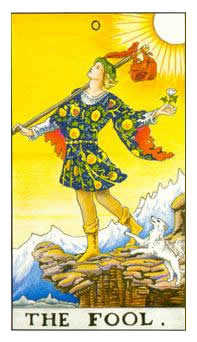
The Fool
The Fool is often considered the luckiest card because it symbolizes beginnings, freedom, and trust in life’s journey. Historically, the Fool has a long tradition of remaining unnumbered in Tarot decks or appearing at the very start with the numeral 0. It’s pure potential before the story unfolds.
Yet innocence carries risk. The Fool’s carefree energy can veer into recklessness, naiveté, or a habit of ignoring consequences. To work with this card wisely is to embrace adventure and remain open to guidance, learning as you go … and acknowledging that you’ll make mistakes.
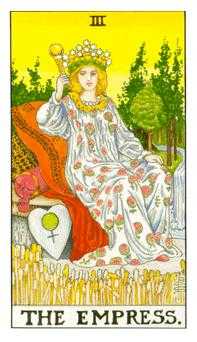
The Empress
The Empress is beloved for her associations with creativity, beauty, and abundance. Her lush imagery (complete with flowing robes, gardens, rivers, pomegranates, etc.) has long represented creativity and sensuality. This is the card of nurturing and flourishing.
The shadow side? Overindulgence or entanglement. Too much comfort can stagnate, and too much giving can drain the giver. The Empress calls you to celebrate growth while remembering that true nurturing often requires boundaries and discernment (the natural territory of this card’s counterpart, The Emperor).
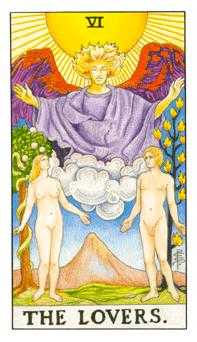
The Lovers
Few cards are more cherished than The Lovers. People light up when it appears, seeing it as the herald of romance, harmony, and soul connection. In older decks, it symbolizes sacred choice, often illustrated with imagery of the biblical Adam and Eve story or a man choosing between two potential sweethearts.
That choice is the hidden challenge. The Lovers isn’t primarily an omen of love or romantic harmony -- it’s about decisions you make with integrity. Temptation, divided loyalty, or the need to reconcile opposites often come with this card. It’s a reminder that true love, whether romantic or spiritual, requires conscious commitment.
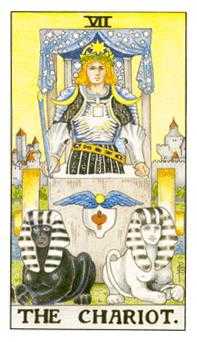
The Chariot
The Chariot brings the thrill of momentum. Historically linked to triumphal processions, it symbolizes ambition and forward movement. People love it because it suggests success after struggle, along with a strong sense of purpose. What could go wrong, right?!
But the challenge is control. Drive can harden into rigidity; victory can leave you restless for the next conquest, itching to pick a fight. The Chariot whispers, “Yes, move forward with strength -- but remember, your reins steer best when aligned with inner balance, not achievement at any cost.”
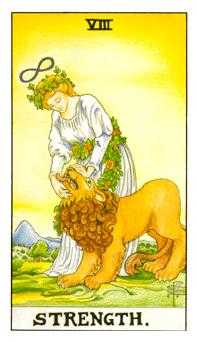
Strength
Strength soothes people because its image is gentle. A woman tames a lion gently with the ultimate trust. Unlike The Chariot’s armored force, this is soft power, the victory of compassion over brute strength.
Yet compassion isn’t always easy. Strength asks us to face our own inner beasts (like fear, anger, insecurity) and to befriend them. We can’t take this card as a sign that life will be easy or peaceful. It’s simply a reminder that you already have the inner fortitude to meet what comes.
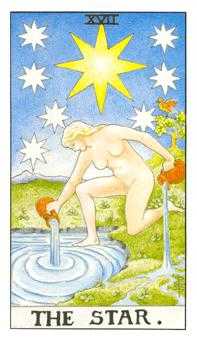
The Star
The Star is adored because it radiates healing, peace, and hope. In decks from the Renaissance era, it reflected cosmic harmony and pointed to humanity’s guiding, celestial light. Today, it’s the card of inspiration and renewal, a vote of confidence in your ability to get back up after a hard fall.
But the Star’s challenge is patience. Healing rarely happens overnight. The card invites faith in long processes, reminding us that hope is a practice, not a guarantee. Its beauty comes in the form of encouragement to keep shining, even when progress is slow.
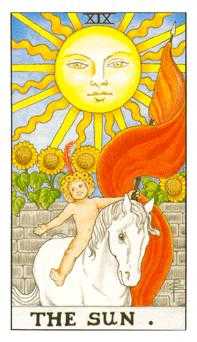
The Sun
The Sun is pure joy. Vitality, clarity, and abundance all live in this card. Its warm, radiant energy has always been linked to life itself. People often breathe a sigh of relief when The Sun shows up for them, certain that everything will turn out well.
However, the Sun can also scorch. Too much exposure can blind or burn, and excessive optimism may cause us to underestimate very real difficulties. In proper alignment, The Sun illuminates our path and also reminds us that shadows are part of the full picture.
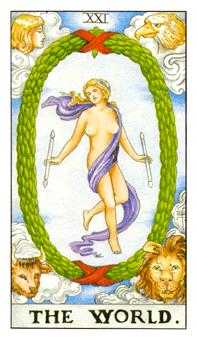
The World
The World is celebrated as the grand finale of the Tarot -- wholeness accomplished, cycles completed. Its imagery of a dancing figure within a wreath reflects harmony between heaven and earth, spirit and matter.
But endings can be bittersweet. The World invites us to enjoy completion and to accept that once one cycle ends, another begins. The hidden challenge is letting go of success gracefully and preparing for the next adventure.
Do any of these classic cards have a message for you? Find out now with a FREE Tarot reading! Find out now with a Breakthrough Tarot Reading!

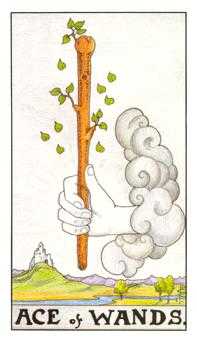
Ace of Wands
The Ace of Wands (the first of the Aces we’ll cover) lights people up with pure inspiration and possibility. Its fiery spark represents beginnings filled with passion.
The challenge? Aces are sparks, not guarantees. It’s a gift on offer, but you have to make the conscious choice to accept it and tend the fragile flame. The Ace of Wands invites you to harness enthusiasm with care so your fuse doesn’t fizzle before it can ignite real change.
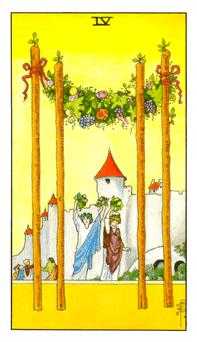
Four of Wands
This card is often called the “wedding card,” but a wedding is just one example of its celebratory energy. Its depiction of figures under a flowered archway has made it synonymous with happy gatherings.
Yet stability can turn to complacency. The Four of Wands asks us to celebrate milestones while remembering that the journey continues. It’s a sweet pause and pat on the back, not the whole story.
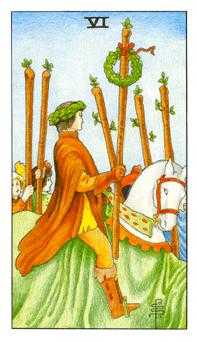
Six of Wands
Victory, recognition, and applause -- talk about a win! The Six of Wands is beloved for its triumphant imagery of a figure riding through cheering crowds. Historically, it symbolized civic success and honor, and nowadays, we usually see it as a sign of achievement.
But recognition can breed pressure, pride, even envy. The hidden challenge is remembering that external validation isn’t the same as inner fulfillment. True success won’t always be met by a roaring crowd. Are you okay with accomplishing something meaningful … and being the only one who knows about it?
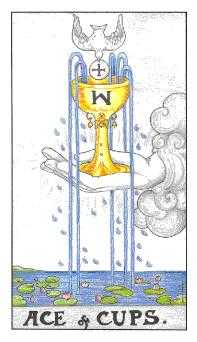
Ace of Cups
The Ace of Cups represents pure emotional blessings -- love, sweetness, care offered by a heavenly hand. Its overflowing chalice has been associated with divine grace since the earliest days of Tarot.
But cups can spill. Emotional beginnings are powerful, but they can also overwhelm those involved. The Ace of Cups encourages you to open your heart. The trick is learning to ground your emotions in healthy containers at the same time.
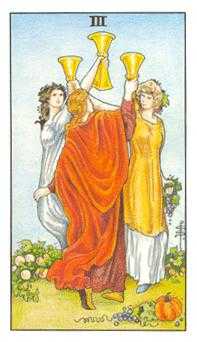
Three of Cups
Few cards feel as joyful as the Three of Cups, which highlights themes of friendship and community through the many seasons of life. Its dancing figures embody connection and delight.
The hidden side? Overindulgence or gossip. Community can lift us, but it can also entangle us or weigh us down at times. The Three of Cups asks you to celebrate joyfully while keeping relationships authentic and respectful.
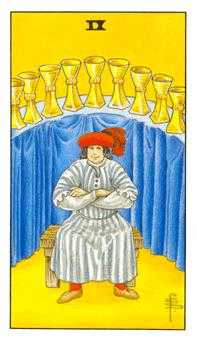
Nine of Cups
Often called the “wish card,” the Nine of Cups is beloved because it suggests satisfaction and dreams fulfilled. Its historical nickname was “Happiness,” and that reputation certainly persists today.
However, with the Nine of Cups, smugness can creep in. It’s easy to congratulate yourself on all your success as though luck didn’t play a part, as though outside support was irrelevant. How prepared are you to appreciate what you have without getting lost in it? True fulfillment comes from gratitude and from sharing joy, not hoarding it.
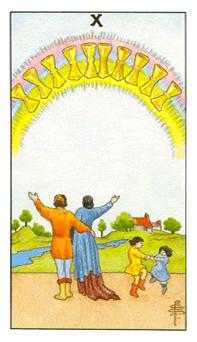
Ten of Cups
The Ten of Cups is the card of “happily ever after” in the form of love, family, and a rainbow of blessings. Its picturesque imagery makes it one of the most unabashedly cherished cards in the entire deck.
But perfection like this isn’t a permanent state. That rainbow in the sky? It exists to be appreciated in the present, not trapped in a box. The Ten of Cups reminds us that this sense of transcendent joy exists in imperfect, fleeting moments. It won’t stay just like this, but nevertheless, it’s a gift to be savored whenever it appears.
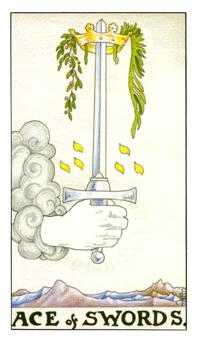
Ace of Swords
The Ace of Swords gleams with clarity and breakthrough. People love it because it suggests truth cutting through confusion, a fresh start for the mind. This disembodied hand from a cloudy otherworld offers true power.
The other edge of this sword, though, is an awareness that clarity can carry harshness. Truth can be sharp, and beginnings born of the sword often demand courage. The Ace of Swords calls us to wield insight responsibly. We can be honest without being cruel.
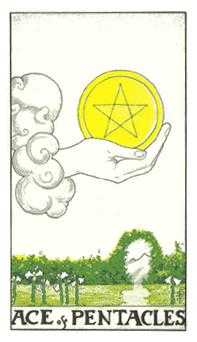
Ace of Pentacles
The Ace of Pentacles is beloved for its promise of prosperity and tangible beginnings. While the other Aces present gifts that are more energetic or theoretical, this one is often associated with something concrete. A hand offering a golden coin feels like a divine “yes” to material growth.
The challenge, however, comes down to follow-through. Seeds of abundance still need planting, nurturing, and patience, and that’s on you! The Ace of Pentacles reminds us that luck is real, but so is effort.
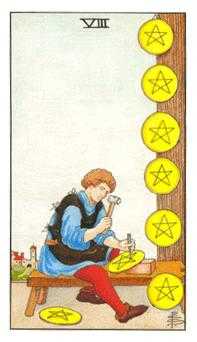
Eight of Pentacles
The Eight of Pentacles celebrates mastery, diligence, and the satisfaction of work skillfully done. A craftsman carving coins at his workbench reflects the beauty of focused effort. There’s a lot of “practice makes perfect” wisdom here, and in a reading, this card tends to feel like an acknowledgement that you’re making serious progress.
But work can consume. The shadow here is perfectionism or obsession. The Eight of Pentacles invites dedication, but it also emphasizes balance. Don’t forget about your life outside the workshop.
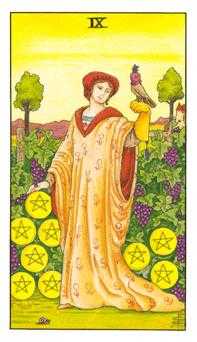
Nine of Pentacles
Luxury? Independence? Elegance? Bring it on! The Nine of Pentacles is adored for its connections to self-sufficiency and cultivated success. It’s generally linked with maturity and refinement. The imagery suggests someone who’s worked hard to end up where they are and is now determined to enjoy the fruits of their labors.
The challenge here is isolation. Comfort can lead to disconnection if you don’t take care to balance it with intimacy. The Nine of Pentacles calls us to enjoy independence while also welcoming shared abundance.
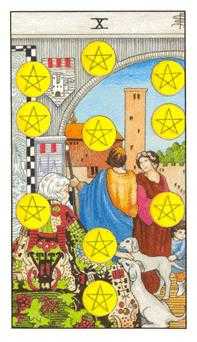
Ten of Pentacles
As the final card on our list and in the Tarot as a whole, the Ten of Pentacles is the pinnacle of legacy, wealth, and family stability. Its imagery of generations and inheritance feels like ultimate security. We feel ourselves as part of a larger story, connected to a lineage that both predates and survives us.
But legacy can also be a burden. Expectations of family or tradition may weigh heavily. The Ten of Pentacles asks us to honor our roots while also shaping our own visions of success. Our contributions to this story may be unorthodox, but they’re valuable nonetheless.
Do any of these classic cards have a message for you? Find out now with a FREE Tarot reading! Find out now with a Breakthrough Tarot Reading!
Final Thoughts
The “best” Tarot cards sparkle with blessings, luck, and joy. Yet even they carry complexity -- and that’s just as it should be. After all, what’s abundance without responsibility? What’s a bright day at the beach without awareness of the approaching night?
When you pull these cards, celebrate! Let yourself delight in their promises. But also ask, “What deeper invitation hides within this sweetness?” Tarot’s real genius isn’t content to divide “good” from “bad.” It’s far more invested in helping us embrace the whole spectrum of human experience.